
Trusts Vs Wills: An Estate Planning Attorney Checks Out Which Option Is A Lot Of Beneficial For Your Financial Purposes
When planning your estate, you could ask yourself whether a count on or a will is the better suitable for your financial goals. Each choice has its own benefits, and the ideal option often depends upon your unique situations. Trusts can provide even more control and privacy, while wills provide simplicity for straightforward estates. Yet just how do you know which course to take? Let's check out the subtleties that can substantially impact your estate Planning decisions.
What Is a Will and Just How Does It Function?
A will certainly is a legal file that outlines how you desire your assets distributed after your death. It permits you to define who gets what, guaranteeing your desires are recognized.
You can name guardians for minor youngsters, provide directions for your funeral service, and select an executor to handle your estate.
To develop a will, you'll require to plainly note your properties and beneficiaries, and it frequently calls for witnesses to be valid. Once it's signed, it becomes a binding legal paper.
After your passing, the will certainly undergoes probate, where a court confirms it. This process can take time, so it's essential to keep your will certainly updated to mirror any type of life changes, like marriage or the birth of kids.
Comprehending the Advantages of Trusts for Estate Planning
While a will plainly describes your wishes for possession circulation, trust funds offer unique benefits that can enhance your estate Planning.
One major advantage is staying clear of probate, which can conserve your successors time and money. Counts on can give personal privacy, maintaining your monetary matters out of the general public eye.
They likewise permit even more control over how and when your assets are dispersed, particularly if you have small youngsters or recipients that might not be financially responsible.
Additionally, trust funds can help handle your possessions in case of incapacity, guaranteeing your desires are adhered to without court treatment.
Trick Differences In Between Depends On and Wills for Your Financial Objectives?
What's the most effective means to ensure your financial goals are satisfied after you're gone: trust funds or wills?
Counts on supply greater control over possession distribution, enabling you to define when and how your recipients obtain their inheritance. They can also aid avoid probate, conserving time and expenses.
On the other hand, wills are less complex and simpler to develop, making them a typical selection for straightforward estates. Nonetheless, Revocable Trust Attorney must experience probate, which can postpone distribution.
Furthermore, trusts give privacy because they do not become public records, unlike wills.
Inevitably, if https://www.realtor.com/advice/buy/should-i-become-a-realtor/ seeking flexibility and efficiency in handling your heritage, a trust may be the better choice. If simpleness is vital, a will certainly can suit your requirements simply great.
Conclusion
In picking in between a trust fund and a will, it's important to consider your one-of-a-kind needs and financial objectives. A depend on can supply even more control and personal privacy, while a will provides a straightforward method for possession circulation. By comprehending the key differences and benefits of each option, you can make an educated choice that aligns with your estate planning objectives. Consulting with an attorney will guarantee you choose the best course for your economic future.


What Does an Estate Planning Attorney Do? A Full Guide to Protecting Your Possessions and Household
When it comes to protecting your assets and ensuring your family members's future, an estate Planning attorney is vital. They assist you draft vital files like wills and trusts, and guide you via vital choices concerning healthcare directives and powers of lawyer. Yet their role surpasses just paperwork. Understanding exactly how they can lessen tax obligations and why normal evaluations of your estate plan matter is vital for maintaining assurance. What else should you understand?
What Providers Does an Estate Planning Lawyer Offer?
When it involves safeguarding your heritage, an estate Planning attorney plays a crucial role. They provide a range of solutions customized to your distinct demands.
Initially, Related Web Page assist compose wills and counts on, guaranteeing your properties are distributed according to your wishes. They likewise assist with powers of lawyer, permitting somebody to choose in your place if you're unable.
In addition, they can develop health care instructions, ensuring your medical choices are recognized. An estate Planning attorney assesses your economic situation, advising on the best methods to shield your assets.
They can additionally direct you with the probate procedure, making it smoother for your liked ones. In general, their knowledge is indispensable in crafting a comprehensive prepare for your future.
How Can an Estate Planning Attorney Help Reduce Taxes?
Exactly how can an estate Planning lawyer assistance you decrease tax obligations? They'll evaluate your economic circumstance and recommend strategies to decrease your tax obligation worry.
By utilizing counts on, they can assist you secure possessions from inheritance tax and ensure your heirs get a lot more. They'll likewise recommend on gift and estate tax exceptions, allowing you to make tax-efficient transfers of wealth while you're alive.
Furthermore, a lawyer can assist you browse complex tax laws, making certain conformity while making best use of reductions and debts.
They might suggest tax-efficient investment choices or charitable providing techniques that straighten with your values.
With their proficiency, you can develop a thorough strategy that shields your possessions and minimizes taxes, inevitably benefiting your family members's monetary future.
Why Is It Important to Testimonial Your Estate Plan Frequently?
Consistently reviewing your estate strategy is important, as life circumstances and legislations transform in time. Major events like marital relationship, separation, or the birth of a child can substantially impact your desires.
If you don't upgrade your strategy, you may accidentally neglect important recipients or stop working to attend to new possessions. Furthermore, tax obligation regulations and laws can move, impacting exactly how your estate is taxed and distributed.
By examining your strategy on a regular basis, you guarantee it reflects your current objectives and complies with the most up to date lawful demands. This aggressive technique helps secure your possessions and offers comfort for you and your loved ones.
Don't wait until it's too late-- routine normal reviews to keep your estate strategy approximately date.
Conclusion
In conclusion, dealing with an estate Planning lawyer is vital for protecting your possessions and ensuring your family's future. https://wyow.marketminute.com/article/pressadvantage-2026-4-20-soto-law-group-releases-estate-planning-insights-on-avoiding-probate aid you develop tailored documents, reduce tax obligations, and navigate the complexities of probate. And also, by frequently evaluating your plan, you can adjust to life modifications and progressing regulations. Don't wait-- take control of your tradition today and safe comfort for yourself and your loved ones. Your family's future should have the most effective security.


Secure Your Household'S Future With Economical Estate Planning Techniques; Find Just How To Partner With An Attorney Without Overspending. What Are The Crucial Actions?
When it concerns estate Planning, you might think it's out of reach financially. Nevertheless, economical options exist if you know where to look. By collaborating tactically with an estate Planning lawyer, you can browse the procedure without breaking the bank. Comprehending the fundamentals and using cost-efficient approaches can make a substantial distinction. Interested regarding just how to maximize your budget while obtaining the security you need? Let's discover some sensible actions you can take.
Understanding the Fundamentals of Estate Planning on a Spending plan
When you think of estate Planning on a budget, it's important to concentrate on the fundamentals initially.
Begin by determining your possessions-- every little thing from your home and bank accounts to personal possessions. Next, determine your recipients; recognizing that you want to acquire your properties is crucial.
You'll likewise need to decide on an executor, a person you trust to manage your estate. Preparing check out this site is a basic action; it doesn't need to be pricey, especially with on the internet resources.
Consider power of lawyer and healthcare regulations, too; these documents ensure your dreams are appreciated.
Affordable Methods for Working With a Lawyer
Finding a lawyer for your estate Planning does not have to drain your wallet, particularly if you utilize some clever strategies.
Begin by investigating neighborhood lawyers that specialize in estate Planning and provide complimentary assessments. This offers you the possibility to determine their know-how without devoting economically.
Next, think about bundling services; some lawyers use discount rates if you need multiple records prepared simultaneously, like wills and trusts.
Be in advance concerning your budget and inquire about level fees as opposed to hourly rates, which can accumulate rapidly.
Lastly, prepare a checklist of inquiries and appropriate records prior to your meeting to maximize your time and decrease prices.
These actions will assist you get quality lawful recommendations without spending beyond your means.
Making best use of Value: What to Prepare Prior To Your Examination?
Getting ready for your consultation can significantly influence the worth you get from it. Beginning by collecting crucial files, like existing wills, residential or commercial property deeds, and financial declarations. see post aids your attorney understand your one-of-a-kind circumstance much better.
Next, take down any kind of details concerns or concerns you have concerning your estate planning goals. Recognizing what you want to discuss will maintain the conference focused and efficient.
Consider prioritizing your objectives, whether it's lessening tax obligations or guaranteeing your assets go to your enjoyed ones.
Finally, be open and straightforward about your financial circumstance; openness cultivates count on and enables your attorney to provide customized recommendations.
With this prep work, you'll make best use of the benefits of your appointment while keeping costs workable.
Verdict
Finally, affordable estate Planning is within your reach with the ideal approaches. By investigating regional lawyers, considering bundled services, and getting ready for your examination, you can obtain the lawful support you require without damaging the financial institution. Keep in mind, being positive and arranged not just saves you cash yet additionally ensures your estate plan satisfies your special requirements. Take these actions, and you'll be well on your way to protecting your future economically.


Estate Planning Basics: Wills, Counts On, And The Function Of An Estate Planning Lawyer
When it pertains to estate Planning, comprehending the basics can make a considerable difference in securing your tradition. You may be wondering about the differences in between wills and depends on, and exactly how each fits into your total strategy. Furthermore, the experience of an estate Planning lawyer can simplify the procedure, ensuring your desires are recognized. But how do you identify which tools are appropriate for you, and what should you anticipate from experienced assistance?
Understanding Wills: What They Are and Why You Need One
A will certainly is an important lawful document that sets out your yearn for just how your possessions must be distributed after you die. It ensures your items go to the people you choose, as opposed to being established by state legislations.
By producing a will, you can assign an executor to handle your estate, making the procedure smoother for your loved ones. It also allows you to call guardians for your small youngsters, offering assurance.
Without a will, your estate can deal with delays and disputes, which can bring about undesirable stress for your family. Making the effort to draft a will is an essential step in protecting your tradition and guaranteeing your desires are honored.
Checking Out Counts On: Benefits and Key Differences From Wills
While wills are essential for describing your dreams after fatality, trusts provide distinctive benefits that can improve your estate Planning. One significant benefit is that counts on can aid you stay clear of probate, allowing your properties to be distributed quicker and privately.
They also offer ongoing monitoring of your assets if you end up being incapacitated, guaranteeing your financial events are dealt with according to your dreams.
In addition, counts on can be customized to meet particular demands, such as protecting possessions from lenders or offering small children.
Unlike wills, which work only after your fatality, trust funds can be energetic throughout your life time. By recognizing these essential distinctions, you can make even more informed decisions regarding which options best fit your estate planning goals.
The Crucial Function of an Estate Planning Lawyer in Your Process
One key player in your estate preparing journey is an estate Planning attorney. linked internet page who can guide you through complicated legal requirements and guarantee your wishes are correctly documented.
With click for more info , you can navigate the ins and outs of wills, counts on, and tax ramifications. They'll tailor your estate strategy to fit your certain requirements, considering your family dynamics and economic circumstance.
A lawyer additionally assists you prevent usual pitfalls, guaranteeing your records adhere to state regulations. They can offer updates as your life circumstances change, maintaining your strategy appropriate.
Most importantly, they offer assurance, understanding you've taken the best steps to protect your loved ones and your possessions. Picking the ideal lawyer is critical for a strong estate strategy.
Final thought
In recap, estate Planning isn't simply for the wealthy; it's vital for anyone intending to secure their tradition. By understanding the value of wills and trust funds, you can make informed choices concerning your possessions. An estate Planning attorney can direct you via the complexities, ensuring your desires are recognized. Do not wait until it's too late-- organize your future today and provide yourself and your enjoyed ones assurance.

Do You Actually Required An Estate Planning Lawyer For A Will Or Trust?
When it concerns producing a will or trust fund, you may question if you actually require an estate Planning attorney. Certain, you can locate design templates on the internet and try to do it on your own, however that might cause pricey errors. A lawyer brings know-how to the table, ensuring your dreams are plainly outlined and lawfully binding. But what specific advantages do they provide that do it yourself options can't? Allow's discover this additionally.
Why Take Into Consideration an Estate Planning Attorney?
When you think of your future and the legacy you intend to leave, enlisting an estate Planning lawyer can make all the difference.
learn the facts here now understand the intricacies of the regulation and can assist you browse the intricacies of wills and counts on. They'll guarantee your papers are lawfully sound and customized to your special requirements, protecting your possessions and enjoyed ones.
A lawyer can additionally provide assistance on tax obligation implications and aid you stay clear of common pitfalls. And also, having a professional on your side can alleviate tension, permitting you to focus on what absolutely matters.
With their knowledge, you can confidently develop a strategy that reflects your wishes and protects your household's future.
Don't ignore the worth of specialist support.
The Dangers of DIY Estate Planning
Despite having the most effective objectives, attempting do it yourself estate Planning can lead to significant risks. You might forget important lawful requirements, causing a void will or trust that does not stand up in court.
Without appropriate advice, you could misunderstand regulations, leaving your assets in limbo or causing unneeded tax obligations. Mistakes in phrasing can change your purposes, resulting in household conflicts or unintended recipients.
In addition, you may not consider all your properties or debts, which can make complex the circulation procedure. Inevitably, what is it worth can develop anxiety and financial stress for your liked ones.
Working with an estate Planning lawyer guarantees your desires are clearly documented and lawfully binding, guarding your tradition and supplying comfort.
What to Expect From an Estate Planning Examination?
What should you anticipate during an estate Planning appointment? Initially, you'll review your objectives and issues, providing the lawyer a clear understanding of your circumstance. Be prepared to share details concerning your assets, financial debts, and family dynamics.
The lawyer will clarify different estate Planning tools, like wills and trusts, and assist you choose what fits your demands best.
Next off, expect a testimonial of any existing documents you have. The lawyer may suggest updates or modifications based upon your present conditions.
You'll likewise talk about possible tax ramifications and just how to minimize them.
Lastly, ask concerns! This is your chance to clarify any kind of uncertainties and ensure you feel confident progressing with your estate strategy.
Final thought
When it pertains to preparing your estate, employing an estate Planning attorney isn't just a luxury; it's a wise relocation. They assist you browse complex laws, guaranteeing your wishes are plainly laid out and legitimately binding. By avoiding usual mistakes, you'll secure your loved ones from possible headaches later on. So, think about buying expert guidance for assurance. Besides, safeguarding your tradition is worth the effort.


Selecting The Best Estate Planning Attorney Is Important; Find Crucial Qualifications That Ensure Your Unique Demands Are Fulfilled And Your Dreams Honored
Picking the best estate Planning lawyer can feel frustrating, but it's crucial for safeguarding your properties and recognizing your dreams. You need somebody with the right experience and an interaction design that resonates with you. Individual worths additionally play a significant function in this choice. So, what certain credentials should you focus on, and exactly how can you ensure your lawyer understands your special demands? Allow's check out these vital variables.
What Certifications Should You Search for in an Estate Planning Attorney?
When looking for an estate Planning lawyer, you ought to consider 3 key certifications to guarantee you're making the ideal choice.
Initially, search for appropriate experience. A lawyer fluent in estate Planning will certainly understand the intricacies entailed and can give tailored suggestions.
Second, inspect their credentials. Validate that they're accredited and have specialized training in estate Planning or associated fields. This guarantees they're up-to-date with regulations and guidelines.
Finally, consider their track record. Check out client reviews and look for references to determine their reliability and efficiency.
A trusted attorney can make a significant distinction in your estate intending procedure, assisting you secure your properties and dreams.
Exactly How to Examine Interaction Designs With Your Lawyer?
How can you guarantee your estate planning attorney interacts successfully with you? Begin by observing their responsiveness. Do find out this here respond to e-mails and calls quickly?
Next, assess their clearness. When reviewing get redirected here , can they break things down into easy to understand terms? Take notice of their paying attention abilities as well. A good attorney must engage in active listening, asking concerns that show they value your input.
Furthermore, assess their communication style-- do they prefer formal meetings or casual conversations? This can influence your comfort level.
Lastly, establish whether they want to adapt their style to match yours. A strong interaction connection will foster trust, making the estate Planning procedure smoother and extra reliable for you.
Why Personal Values Matter in Selecting an Estate Planning Attorney?
Picking an estate Planning attorney isn't almost their credentials; it's likewise about lining up personal worths. When you collaborate with a person who shares your beliefs, you're more likely to feel recognized and sustained.
Seek an attorney who values your dreams and understands what matters most to you, whether it's family, philanthropic offering, or social practices.
Your estate strategy shows your tradition, so it's critical that your lawyer realizes your vision. Review your worths freely throughout the first appointment. This will assist you gauge if they're the appropriate fit.
Ultimately, having a common value system cultivates depend on and makes certain that your purposes are honored, making the estate Planning process smoother and a lot more purposeful for you and your loved ones.
Verdict
Choosing the appropriate estate Planning attorney is vital for guaranteeing your dreams are recognized and your properties protected. By concentrating on their credentials, analyzing their interaction style, and straightening their strategy with your personal values, you can make a wise choice. Depend on your impulses and make the effort to discover an attorney that genuinely comprehends your demands. With the right support, you can browse the estate Planning process with confidence and comfort.


Can An Estate Planning Attorney Assist You Prevent Probate Totally?
If you're considering how to manage your properties after you're gone, you might question the complexities of probate. An estate Planning lawyer can assist you with strategies that possibly bypass this usually prolonged procedure. By comprehending your options, you can guarantee your desires are honored without court participation. However what details tools can aid you achieve this goal? Let's discover the essential approaches that can streamline your estate Planning.
Recognizing Probate and Its Challenges
Recognizing probate can be complicated, specifically when you realize its complexities typically result in unexpected difficulties.
When a liked one passes away, their estate commonly goes into probate, a lawful process that verifies wills and takes care of asset distribution. You may locate that probate can be lengthy and expensive, draining pipes both time and sources.
In addition, disagreements amongst beneficiaries or insurance claims against the estate can make complex issues even more. You'll require to browse court filings, asset evaluations, and prospective tax obligation ramifications.
It's essential to comprehend these obstacles, as they can influence just how smoothly your loved one's wishes are honored. By comprehending the probate procedure, you can much better get ready for what exists in advance and make educated choices regarding estate Planning.
How Can an Estate Planning Attorney Help You Stay Clear Of Probate?
Exactly how can an estate Planning attorney streamline the process of preventing probate? They'll assist you via approaches customized to your unique situation, helping you comprehend your alternatives.
By producing depends on, for instance, you can move possessions without experiencing probate. A lawyer will draft legally binding documents that guarantee your dreams are complied with, minimizing prospective conflicts amongst beneficiaries.
They'll also assist you determine which properties can be placed outside of probate, like joint possession or beneficiary designations. Additionally, a lawyer can suggest you on state-specific laws that could influence your strategy.
With their experience, you can browse complicated legalities with confidence, ultimately saving time, cash, and tension for your enjoyed ones during a challenging time.
Crucial Estate Planning Devices to Take Into Consideration for Probate Evasion
To successfully prevent probate, you'll want to take into consideration several estate Planning devices that can streamline the process. One secret alternative is a revocable living count on, which permits your possessions to pass straight to beneficiaries without court participation.
Additionally, moving assets right into joint possession with legal rights of survivorship can help bypass probate, as these possessions automatically go to the enduring owner. Beneficiary designations on accounts like life insurance policy and retirement plans are additionally critical; they make certain funds move directly to your chosen successors.
Finally, take into consideration using a transfer-on-death deed for real estate, which enables buildings to pass beyond probate. By using these devices, you can simplify your estate Planning and safeguard your loved ones from lengthy probate process.
Final thought
Finally, dealing with an estate Planning attorney can effectively assist you prevent probate altogether. By leveraging updated blog post like revocable living trusts, joint ownership, and recipient designations, you can guarantee your possessions transfer smoothly and according to your desires. https://triberr.com/marshalllawpa saves money and time yet additionally reduces the probability of disputes among your enjoyed ones. So, take the first step today to protect your heritage and supply peace of mind on your own and your family.

Future-Proofing Your Finances: Shielding Wealth From Prolonged Care Fees
As we age, the chance of requiring long-term care becomes a significant worry for a lot of people and their families. With nursing home costs increasing at astonishing rates, the financial burden can get overwhelming. It is important to understand how to safeguard your savings from long-term care bills while making sure that your hard-earned wealth is kept for the next generations. The effect of long-term care on personal finances can be profound, but with the appropriate strategies and planning, you can safeguard your holdings from the threat of nursing home costs.
Medicaid planning plays a key role in this process, offering a pathway to qualify for essential assistance without losing everything you have put effort into over the decades. By exploring the multiple asset protection strategies available, you can learn how to protect retirement savings, shield your home from Medicaid recovery efforts, and understand the complex landscape of countable versus protected assets. Acting early today can have a significant impact in ensuring that your family assets remains intact, allowing you to concentrate on getting quality care rather than financial worry in the time ahead.
Strategies for Shielding Resources from Long-Term Care Costs
Shielding your savings from extended care costs begins with proactive organization. One efficient approach is to set up a trust fund, which can hold and manage your wealth while allowing you to hold control during your existence. By putting your assets in an irrevocable trust fund, they can be safeguarded from government programs's asset depletion requirements, helping you to gain access for Medicaid without forfeiting everything. This approach demands careful deliberation and professional advice, but it can substantially protect your family resources for future generations.
Another important method is grasping the difference between eligible and exempt assets under Medicaid eligibility criteria. Certain assets, such as your main home and specific pension plans, may be protected from Medicaid's criteria. Understanding what properties are safe can help you protect them from assisted living bills. Engaging in https://www.fool.com/research/digital-real-estate-metaverse/ -term care planning with a financial planner experienced with government assistance planning strategies can guarantee you are taking informed decisions that suit your goals.
Additionally, gifting methods can provide another form of protection against extended care costs. By systematically transferring wealth to loved ones or loved ones, you can lessen your overall asset base that may be subject to Medicaid’s asset depletion. However, it is important to be cognizant of the evaluation period imposed by Medicaid, which scrutinizes donations made within a specific period. Implementing these wealth protection methods prematurely can help safeguard your economic well-being while guaranteeing your dependents are taken care of.
Grasping Medicaid Preparation for Wealth Protection
Medicaid preparation is a crucial strategy for those seeking to protect their assets from extended care charges. It requires understanding the complicated guidelines of Medicaid qualification to ensure that individuals can receive necessary medical services without depleting their resources. By effectively navigating these regulations, families can protect their financial resources, allowing them to continue a stable lifestyle while still obtaining essential medical support.
One of the key components of Medicaid preparation is the separation between eligible and protected assets. Considered assets are those that Medicaid takes into account when evaluating qualification, while non-countable assets do not affect eligibility. Common protected assets include a principal home, specific retirement accounts, and possessions. Grasping what assets fit in with each class is essential for seniors and retirees wishing to protect their assets against potential assisted living bills.
Moreover, utilizing Medicaid planning tactics can assist families gain access for benefits without losing everything they have labored hard to build. By examining options such as trust arrangements, gifting options, and asset reallocations, individuals can preserve their retirement accounts and other precious assets. Consulting with a skilled professional in this field can provide customized advice, making sure that families are well-prepared to confront the challenges of prolonged care costs while protecting their economic security.
Protecting Your Home and Retirement Funds
One of the primary concerns when planning for extended care is protecting your home from potential Medicaid recovery. To secure related webpage , it is essential to comprehend the idea of primary residence exempt status. In many cases, your home can be exempt from Medicaid eligibility rules if you persist to live in it or if your spouse is still staying there. Additionally, strategies such as transferring the home into a trust can assist ensure that it remains shielded, maintaining your family's wealth for future generations.
Another critical aspect of asset protection involves pension plans. Numerous individuals have anxieties about how nursing home expenses could drain their pension funds. By properly structuring these funds, such as employing certain types of trust funds or annuities, you can protect your accounts from being counted as assets for Medicaid purposes. This way, you can preserve your lifestyle and financial stability, even while dealing with long-term care needs.
Finally, it is essential to differentiate between reportable and excluded assets when organizing for Medicaid eligibility. Exempt assets may include your home, particular retirement funds, and burial sites, among others. By understanding which assets can be preserved, you can develop a well-rounded strategy for protecting your savings from long-term care costs, guaranteeing that you meet requirements for Medicaid without losing everything you've labored for throughout your life.
Understanding Exemptions for Assets and Qualification for Medicaid
While thinking about methods to shield your assets against long term care expenses, it is essential to grasp what assets are protected from Medicaid eligibility requirements. Typically, particular resources, such as a primary residence, personal belongings, and a single vehicle, are protected under Medicaid policies. Additionally, money in retirement savings may be excluded, depending on the state and specific account type. Knowing which assets qualify as protected can help you create successful strategies for safeguarding your resources from Medicaid spend down.
Grasping the distinction between liquid and excluded assets is crucial for efficient Medicaid planning. Countable assets include checking and savings accounts, investments, and any other convertible assets that can be readily liquidated. On the other hand, exempt assets, which do not influence Medicaid eligibility, can act as a buffer for your family’s assets. To navigate this intricate landscape competently, families should consider partnering with experts in asset protection strategies for seniors and retirees, ensuring a comprehensive approach that shields their economic stability.
Finally, how to qualify for Medicaid without losing everything often involves forward-thinking planning. Families can employ various Medicaid planning strategies, such as setting up trusts or participating in careful donations, which can help maintain wealth while meeting Medicaid's requirements. By formulating a thoughtful long term care plan, you can shield your home from Medicaid recovery and ensure that your beneficiaries are not encumbered by exorbitant nursing home costs.

Asset Protection: Ways To Protect Your Financial Resources Protected From Senior Care Fees
As we grow older, the possibility of long term care becomes a significant issue for many individuals and their families. The soaring costs of nursing home care can pose a significant threat to personal savings and the wealth that families have established through generations. In an effort to shield assets from these expenses, it is important to understand the multiple strategies available for defending your savings from long term care bills.
Navigating the challenges of Medicaid spend down and eligibility can be daunting, but with the proper planning, it is achievable to protect family wealth while ensuring access to required care. This article will explore effective methods to guard assets from nursing home costs, how to qualify for Medicaid without losing everything, and the significance of long term care planning. We will break down essential asset protection strategies for seniors and retirees, helping you make wise decisions to secure your financial future.
Tactics for Safeguarding Assets
Shielding your savings from long-term care expenses needs a deliberate approach. One proven method is to establish a legal trust explicitly designed for asset protection. By assigning your assets in an non-revocable trust, you can possibly guard them from nursing home bills while still permitting for some measure of control over the resources. This strategy not only supports in qualifying for Medicaid without losing all assets but also maintains family wealth for future generations.
An additional key strategy is comprehending the difference between assessable and exempt assets for Medicaid planning. Certain resources, such as your principal home and a modest car, are typically exempt from the Medicaid eligibility requirements. By strategically organizing your financial portfolio to have exempt assets, you can prevent the threat of losing critical resources to nursing home costs. Consult with a wealth advisor to ensure you're optimizing these exemptions while following Medicaid regulations.
Prolonged care planning is vital in maintaining your wealth effectively. One key step is to evaluate long-term care insurance, which can aid cover potential nursing home expenses and shield your retirement accounts. Additionally, talking about Medicaid planning strategies with family members can be beneficial to ensure everyone comprehends the significance of how to avoid losing assets to nursing home costs. Being anticipatory in these discussions helps in setting a solid foundation for your family’s financial future.
Comprehending Medicaid Qualification
Medicaid qualification is a vital factor for individuals and families planning for long-term care. To be eligible for Medicaid, applicants must meet specific income and asset limits, which can vary by state. Understanding these requirements is important for anyone considering nursing home care, as they significantly impact how you can safeguard your savings from long-term care expenses. Most states have stringent guidelines that determine what is considered countable versus exempt assets, affecting one's ability to obtain Medicaid assistance without losing their earned wealth.
When individuals apply for Medicaid, they undergo a detailed financial assessment. Countable assets include cash, savings accounts, and investments, all of which can diminish eligibility. On the other hand, certain assets—such as a primary residence up to a specified value, personal belongings, and some retirement accounts—are typically exempt from eligibility rules. Knowing which assets you can keep is crucial for strategizing and can significantly impact your long-term care strategy.
Medicaid planning strategies explained for families often involve developing a holistic approach to asset protection. This may include utilizing legal tools like trusts, gifting strategies, and careful spending to ensure that individuals can qualify for Medicaid without losing everything. By grasping the nuances of Medicaid eligibility and how to efficiently protect assets from nursing home bills, families can preserve their wealth and ensure that they are prepared for possible long-term care needs.
Long Term Care Planning Essentials
Effective long term care planning is important for safeguarding your savings from long term care expenses. By developing a strategic approach, you can make certain that your assets remain protected while still meeting your healthcare needs. Comprehending the various options available is vital, as proactive planning allows you to understand Medicaid eligibility rules and prevent unnecessary financial strain.
One important aspect of long term care planning is distinguishing between countable and excluded assets for Medicaid planning. Certain assets, such as your main home and designated retirement accounts, may be not counted from Medicaid eligibility calculations. Knowing what assets can be kept intact can help you increase your wealth while qualifying for assistance. Developing a clear knowledge of these differences can empower families to make wise decisions regarding protecting their assets.
Incorporating structured Medicaid planning strategies can further improve your ability to preserve family wealth. Working with a skilled elder law attorney or financial planner can help you execute effective measures to shield assets from nursing home bills. These professionals can navigate you through the complexities of the Medicaid spend down process and help you strategize to become eligible for Medicaid without jeopardizing everything you have built. With you could check here and well-considered choices, peace of mind can be secured for you and your loved ones.
Retirement Accounts and Nursing Home Costs
When it comes to protecting your financial assets from nursing home expenses, understanding how retirement accounts are treated under Medicaid rules is crucial. Generally, funds maintained in retirement plans like 401(k)s or IRAs are considered counted assets when assessing Medicaid eligibility. This implies that if you rely exclusively on these funds for financial support, you may be at risk of spending down your assets to become eligible for Medicaid, potentially leading to a loss of your hard-won savings.
To protect retirement accounts from long term care bills, it is important to consider effective options. One approach is to convert your retirement accounts into an earning source or roll them into protected accounts. This can frequently be done through annuities or by making immediate payments to relatives, thereby protecting assets while ensuring you still satisfy Medicaid eligibility requirements. Implementing where to get help with Medicaid eligibility planning within your nursing care planning can help protect family wealth.
Another important aspect is to understand what assets are not counted from Medicaid eligibility rules. Some accounts, like certain pension plans and life insurance, may not count toward the asset limit. By working with a financial advisor or attorney specialized in Medicaid planning strategies, you can effectively navigate the complexities of retirement accounts and ensure that you qualify for Medicaid without losing everything you've built over your lifetime.


Asset Protection: Strategies For Keeping Your Wealth Safe From Long-Term Care Costs
As we grow older, the prospect of long term care becomes a pressing concern for numerous people and their families. The soaring costs of nursing home care can be a substantial risk to personal savings and the wealth that families have accumulated over the years. In an attempt to protect assets from these expenses, it is crucial to understand the multiple strategies available for protecting your savings from long term care bills.
Navigating the complexities of Medicaid spend down and eligibility can be intimidating, but with the right planning, it is achievable to protect family wealth while ensuring access to essential care. This article will examine effective methods to shield assets from nursing home costs, how to qualify for Medicaid without losing your entire savings, and the significance of long term care planning. We will break down essential asset protection strategies for seniors and retirees, helping you make educated choices to secure your financial future.
Tactics for Safeguarding Assets
Shielding your savings from long-term care expenses requires a deliberate approach. One effective technique is to create a legal trust specifically designed for wealth preservation. By putting your resources in an irrevocable trust, you can potentially protect them from nursing home bills while still maintaining for some degree of control over the assets. This strategy not only assists in qualifying for Medicaid without losing all assets but also protects family wealth for posterity.
An additional key strategy is understanding the separation between measurable and exempt assets for Medicaid planning. Certain properties, such as your primary home and a humble car, are typically protected from the Medicaid eligibility rules. By strategically organizing your financial portfolio to feature exempt assets, you can elude the danger of losing critical resources to nursing home costs. Consult with a wealth advisor to ensure you're maximizing these exemptions while following Medicaid regulations.
Prolonged care planning is essential in managing your wealth efficiently. One important step is to evaluate long-term care insurance, which can aid cover potential nursing home expenses and shield your retirement accounts. Additionally, discussing Medicaid planning strategies with family members can be valuable to ensure everyone is aware of the significance of how to avoid losing assets to nursing home costs. Being proactive in these discussions assists in establishing a solid foundation for your family’s financial future.
Understanding Medicaid Eligibility
Medicaid qualification is a key aspect for individuals and families planning for long-term care. To be eligible for Medicaid, applicants must satisfy specific income and asset limits, which can vary by state. Understanding these criteria is essential for anyone considering nursing home care, as they directly impact how you can protect your savings from long-term care expenses. Most states have stringent guidelines that determine what is considered reportable versus exempt assets, affecting one's ability to gain Medicaid assistance while avoiding losing their earned wealth.
When individuals apply for Medicaid, they undergo a thorough financial assessment. Countable assets include cash, savings accounts, and investments, all of which can diminish eligibility. On the other hand, specific assets—such as a primary residence up to a specified value, personal belongings, and some retirement accounts—are typically exempt from eligibility rules. Understanding which assets you can retain is crucial for planning and can significantly impact your long-term care strategy.
Medicaid planning strategies explained for families often involve crafting a holistic approach to asset protection. This may include utilizing legal tools like trusts, gifting strategies, and mindful spending to ensure that individuals can qualify for Medicaid without losing everything. By understanding the nuances of Medicaid eligibility and how to efficiently protect assets from nursing home bills, families can maintain their wealth and ensure that they are prepared for possible long-term care needs.
Key Elements of Long Term Care Planning
Strategic long term care planning is crucial for shielding your assets from long term care expenses. By establishing a coherent approach, you can make certain that your assets stay protected while still fulfilling your healthcare needs. Grasping the various options available is critical, as forethoughtful planning allows you to understand Medicaid eligibility rules and prevent unnecessary financial strain.
One key factor of long term care planning is distinguishing between countable and non-countable assets for Medicaid planning. Certain assets, such as your primary home and specific retirement accounts, may be not counted from Medicaid eligibility calculations. Knowing which ones assets can be preserved can help you increase your wealth while being eligible for assistance. Developing a clear understanding of these distinctions can empower families to make educated decisions regarding protecting their assets.
Incorporating structured Medicaid planning strategies can further enhance your ability to protect family wealth. Working with a skilled elder law attorney or financial planner can help you carry out effective measures to protect assets from nursing home bills. visit this site right here can guide you through the intricacies of the Medicaid spend down process and help you strategize to become eligible for Medicaid without losing everything you have worked for. With meticulous planning and thought-out choices, peace of mind can be secured for you and your loved ones.
Pension Accounts and Nursing Home Costs
Regarding safeguarding your savings from long term care expenses, knowing how retirement accounts are treated under Medicaid rules is essential. Typically, how to protect family wealth from healthcare expenses held in retirement plans like 401(k)s or Individual Retirement Accounts are regarded as counted assets when determining Medicaid eligibility. This means that if you rely exclusively on these funds for financial support, you may be at threat of spending down your assets to qualify for Medicaid, which could leading to a loss of your hard-earned savings.
To shield retirement accounts from long term care bills, it is crucial to consider strategic options. One method is to convert your retirement accounts into an income stream or roll them into protected accounts. This can frequently be done through annuity contracts or by making immediate payments to relatives, thereby protecting assets while ensuring you still satisfy Medicaid eligibility criteria. Implementing these tactics within your long term care planning can help preserve family wealth.
Another vital aspect is to understand what assets are exempt from Medicaid eligibility rules. Some accounts, like certain pension plans and life insurance, may not count toward the asset limit. By working with a financial advisor or lawyer specialized in Medicaid planning strategies, you can effectively navigate the complexities of retirement accounts and ensure that you are eligible for Medicaid without losing everything you've accumulated over your lifetime.


The Ultimate Property Lawyer's Playbook: Strategies For Achievement
Estate planning can feel overwhelming, but it is a vital step for anyone looking to ensure their assets are handled according to their wishes after they are gone. It is important to understand the distinction between wills and trusts, as both are vital tools in the estate planning process. Many individuals often grapple with the question of whether a last will or a trust is more fitting for their needs, and comprehending the differences between wills and trusts can significantly influence their decisions.
In the state of Florida, for instance, many families opt for living trusts over wills for multiple reasons, including the need to avoid the probate process. This article will delve into the intricacies of estate planning with last wills and living trusts, addressing common concerns such as why a will still goes through probate court and how trusts can facilitate the allocation of assets. Whether you are just starting to explore your options or are seeking refine your strategy, this guide will provide useful insights and applicable strategies for navigating in the field of estate planning.
Wills vs. Trusts: Key Differences
As considering estate planning, comprehending the key differences among testaments and trusts is essential. A will is a legal document that outlines how a person's assets and property will be distributed after their death. It necessitates the probate process, which formally validates the will and supervises the allocation of assets according to the departed's wishes. This process can be lengthy and may involve court fees, rendering wills less appealing for those who want to streamline their estate handling.
In comparison, a trust is a legal arrangement that allows a person to transfer their assets into a trust during their lifetime. The trust can be administered by the grantor or a appointed trustee. One of the significant benefits of a trust is that it can assist bypass probate, allowing for a quicker and more private distribution of assets. With a trust, beneficiaries can obtain their legacy without the delays that often come with the probate process associated with wills.
Furthermore, trusts provide increased flexibility and control over asset distribution. While a will typically takes effect only after death, a trust can provide instructions for asset management both during a person’s life and following their passing. This feature makes trusts an appealing option for those wanting to provide for minor children or individuals with special needs, as the trust can determine when and how assets are allocated, guaranteeing the grantor's intentions are honored.
The Role of Probate in Estate Planning
Probate is the legal process through which a deceased person's last will and testament is authenticated and their estate is managed. This process involves settling the decedent's debts and distributing their remaining possessions according to the conditions of the testament. Understanding how the probate process works is crucial for anyone participating in estate planning, as it immediately affects the allocation of wealth and the speed of property transfer.
One key factor of probate is that it is often a lengthy and potentially expensive procedure. It requires court involvement, which can lead to holdups in property allocation. Additionally, since probate is a subject of public documentation, it can expose the details of one's assets to scrutiny. This encourages many households to explore alternatives, such as living trusts, which can simplify the distribution of wealth and provide more confidentiality.
In the state of Florida, some households specifically opt for trusts over last wills to escape the probate altogether. Trusts allow for a more immediate allocation of assets to heirs, avoiding the lengthy probate procedures. By understanding the implications of probate and the available alternatives, individuals can make knowledgeable decisions about whether a will or a trust is more suitable for their wealth management needs.
Choosing Between an Last Will and an Revocable Trust
When choosing between a last will and trust, it is important to understand these fundamental differences of the. A last will mostly functions in order to allocate your assets following one's passing in accordance with your wishes. This represents an open record which goes through the legal probate court procedure, during which a judge validates a will, making sure all debts get settled while assets are distributed correctly. This may be time-consuming and costly, as probate might take multiple weeks to more than a 12 months for complete, based on the complexity of the estate's situation complexity.
Conversely, comparison, an trust offers more freedom and control regarding how and when your property are allocated. Using a revocable trust, property get transferred into the trust controlled through the trustee throughout your lifetime and after. One of the significant advantages to a trust is its ability to avoid the complicated probate procedures completely, which allows for an quicker as well as more private allocation of the estate. That is especially attractive for numerous people, notably in regions such as the state of Florida, where trusts may provide effective property management advantages.
In conclusion, this decision about whether you should establish a will or a revocable trust hinges on one's personal circumstances and objectives. If you have a relatively basic estate while want a simple strategy, then a will might suffice. On the other hand, should you wish to ensure confidentiality, minimize expenses incurred from probate, or hold specific desires about asset distribution which might take a substantial amount of time to check, a revocable trust could be a more suitable option. Consulting and discussing with a qualified property planning lawyer may assist clarify what what best suits their needs.
Benefits of Trust Funds for Floridian Households
Trust Funds offer numerous benefits for Florida families, especially when it comes to handling and allocating assets. One of the main advantages is the capability to avoid probate. When a person passes away, their possessions held in a trust fund can be allocated to beneficiaries without the lengthy and potentially costly probate process. This not only saves time but also reduces the burden associated with winding up an estate, allowing households to concentrate on recovering rather than legal issues.
In addition, another significant advantage of trusts is the level of privacy they offer. Unlike wills, which become public documents once they go into the probate process, trusts remain private. This means that the specifics of a family's assets and their allocation can be kept secret, safeguarding sensitive financial information from public view and minimizing potential conflicts among heirs. This confidentiality is particularly appealing to families who wish to safeguard their personal affairs.
Moreover, trusts offer greater flexibility and authority over asset distribution. For Florida estate planning consultation for wills and trusts , a trust fund can specify conditions for when and how heirs receive their inheritance, which is especially helpful for young kids or heirs who may require financial guidance. This tailored method can help guarantee that assets are managed and utilized thoughtfully, which is often a major concern for many Florida families as they navigate their estate planning needs.

Smooth Shifts: The Way Estate Planning Lawyers Protect Your Wealth
When it comes to securing your legacy and protecting your assets for future generations, navigating the world of estate planning can feel overwhelming. This is where estate planning lawyers come in, providing their expertise to guide you through important decisions about how to structure your estate. One of the most common dilemmas individuals face is the choice between wills and trusts. Understanding the difference between these tools is essential, as it can significantly impact how your estate is administered and distributed after your death.
Families often wonder do I need a will or a trust, and which is better a will or a trust? For many, the answer lies in understanding the comparison between wills and trusts, as each serves distinct purposes. While a will details how your assets will be distributed, it typically must go through the probate process, which can prolong access to your estate for loved ones. In contrast, trusts can help bypass probate altogether, facilitating for a smoother transition of assets. In states like Florida, many families choose trusts over wills for this very reason, valuing the efficiency and privacy that trusts can provide. Estate planning with wills and trusts is fundamental to creating a comprehensive strategy that reflects your intentions and safeguards your loved ones.
Testaments vs Estates: Key Distinctions
When evaluating estate planning, one of the main choices individuals face is between establishing a will or a fiduciary arrangement. A will is a legal document that specifies how a person's assets will be distributed upon their passing. It allows for the appointment of beneficiaries and can designate guardians for young children. However, a testament typically goes through the probate process, a legal process that validates the will and guarantees assets are allocated according to the deceased's wishes.
In contrast, a fiduciary arrangement is a fiduciary arrangement that allows a third party, known as a administrator, to hold assets on behalf of beneficiaries. Fiduciary arrangements can be more complex and adaptable than testaments, offering features such as the ability to manage when and how heirs receive their assets. Additionally, unlike testaments, fiduciary arrangements can help avoid probate, allowing for faster and more private distribution of assets. This is particularly beneficial for families looking to simplify the transfer of wealth and minimize the administrative burdens following a family member's passing.
Knowing the differences between testaments and fiduciary arrangements is crucial for effective estate planning. Each option serves distinct purposes and offers different advantages. For example, while a testament is simpler and less costly to create, a fiduciary arrangement might provide more comprehensive asset protection and direction for challenging family dynamics. Considering personal circumstances and objectives can aid individuals in deciding whether they need a will, a fiduciary arrangement, or both to secure their legacy.
Upsides of Trusts in Wealth Management
Trusts offer substantial advantages in the field of estate planning, particularly when it comes to asset protection and management. One of the key benefits is that trusts can avoid the lengthy and often costly probate proceedings. Unlike last wills and testaments, which inevitably go through probate, where a court oversees the distribution of assets, these agreements allow for immediate transfer of property to beneficiaries without needing court intervention. This can lead to quicker access to the assets for beneficiaries and a more private distribution method.
Additionally, these arrangements are versatile in managing assets during and after a person's lifetime. These agreements can be set up to include particular provisions and conditions governing how and when assets are distributed to beneficiaries. For estate planning advice from Sawyer & Sawyer attorneys . This level of management is not provided with last wills and testaments, which typically distribute assets outright upon death.
Furthermore, trusts can also offer safeguards against future creditors and lawsuits. Assets held within a trust agreement are generally shielded from personal liabilities that the trust's creator may incur in the future. This is especially appealing for people in professions at higher risk for lawsuits. By establishing a trust agreement, individuals can ensure that their assets are kept secure and are allocated according to their wishes, providing peace of mind in their wealth management efforts.
spintax
### Probate Process: Why It Matters
The probate process functions as a important legal system for managing the distribution of a deceased person's estate. When someone departs, their last will and testament, if available, is submitted to the probate court to confirm its authenticity. This process not only authenticates the will but also provides a way to clear any debts and taxes owed by the deceased before any assets are transferred to the heirs. Understanding this process is crucial for anyone engaging in estate planning, as it dictates how and when assets are distributed.
One key aspect of the probate process is that it is accessible, meaning individuals can access information about the deceased’s assets and the distribution plan outlined in the will. This openness can sometimes lead to disputes among family members or other interested parties. Moreover, the process can be time-consuming and costly, often leading to setbacks that can last several months or even years. Understanding how a will compares to a trust is important, as trusts can often bypass probate, providing a smoother transition of assets and maintaining privacy for families.
For many families, particularly in Florida, the decision to employ a trust instead of a will is driven by the desire to avoid the probate process entirely. Trusts can allow immediate asset distribution upon death, which can alleviate financial stress for beneficiaries during an especially hard period. Furthermore, since trusts do not undergo probate, they often help maintain the estate’s value by minimizing legal fees and other expenses associated with the court process. Understanding these nuances can empower individuals to make informed decisions about estate planning that best suit their needs and protect their assets.
Choosing Between a Last Will and Testament and a Trust
When considering between a will and a living trust, it's essential to understand the fundamental differences between the two options. A last will is a legal document that specifies how you wish your assets allocated after your death. https://www.bloomberg.com/news/articles/2022-05-23/minerd-tells-cnbc-he-doesn-t-like-stocks-on-5-yr-timeframe requires probate, which is a legal procedure that can consume time and incur costs. In contrast, a trust allows for the movement of assets bypassing going through probate, making it a smoother option for many families. Living trusts can also provide more control over when and how beneficiaries obtain their inheritance.
Many individuals consider the question, Should I have a last will or a trust? The answer typically depends on individual situations, such as family dynamics, the worth of the estate, and specific goals for asset distribution. For example, if you have minor children, a last will can set up guardianship, while a living trust can protect your wealth for their benefit until they attain adulthood. Knowing wills vs trusts helps clarify these distinctions, leading to informed decisions regarding the planning of your estate.
In the state of Florida, many families choose living trusts over wills to avoid the probate process, which can be lengthy and costly. Trusts can streamline the distribution of assets, ensuring beneficiaries receive their inheritance swiftly and privately. Additionally, trusts can offer benefits such as tax planning and protection from creditors. Ultimately, deciding what is better, a last will or a trust, depends on individual needs and estate planning goals, making consultation with an estate planning lawyer crucial for personalized guidance.


Fundamentals Of Estate Planning: How To Choose The Best Lawyer For Your Needs
Regarding securing your loved ones' future and guaranteeing that your wishes are honored after you pass away, comprehending the details of estate planning is crucial. With numerous options available, steering through the realm of wills and trusts can be intimidating. This is the moment when the assistance of an knowledgeable estate planning lawyer becomes essential. They can help you form informed decisions about which option is most appropriate for your individual circumstances, taking into account the distinctions between wills and trusts, and how they fit into the larger picture of your estate plan.
Many people find themselves asking fundamental questions: Is a will or a trust? What is click the up coming website , a will or a trust? By investigating the benefits and downsides of each option, you can better grasp how estate planning with wills and trusts can protect your loved ones and ensure your assets are allocated according to your wishes. For example, why might some Florida families choose trusts over wills? A key factor is that trusts can help avoid probate, while a will generally does not. Comprehending why a will still goes through probate is an crucial part of making an informed decision in this crucial area of your life.
Testaments vs Estates: Essential Distinctions
When it comes to estate planning, grasping the distinction between testaments and estates is essential. A will is a formal document that outlines how a person's assets are to be allocated upon their passing. It takes effect only after the person has passed away, and it demands the authentication of a court of probate. This process can be lengthy and may entail public revelation of the deceased's assets and liabilities, leading many to seek alternatives.
On the flip side, a legal trust is a legal arrangement where assets are managed by a trust administrator on behalf of beneficiaries. These trusts can be established to take effect during a person's lifetime, providing more control over how and when the assets are distributed. One of the significant benefits of these arrangements is that they can help avoid the probate process, facilitating for a quicker and more private transfer of assets to heirs. This can be especially appealing for households in states like Florida, where the probate process can be lengthy and costly.
Deciding between a will and a trust depends on individual circumstances and needs. While some may prefer the straightforwardness and directness of a will, others may find that a trust offers more adaptability and effectiveness in managing their estate. Assessing personal needs and consulting with an estate planning lawyer can help individuals make the best choice on whether a will or legal trust best suits their objectives.
When to choose a trust or a trust
Deciding whether to choose a trust or a trust depends on your specific needs and circumstances. If you are looking for a simple way to distribute your assets after your death, a will may be sufficient. A will outlines your wishes regarding asset distribution and appoints guardians for any minor children. It is a straightforward document that can be created in a short time and at a lower cost than a trust. However, https://www.wbur.org/news/2022/05/17/massachusetts-house-prices is important to note that a trust must go through the probate, which can be lengthy and public.
On the other hand, trusts offer greater estate planning benefits. If you want to bypass probate, which can be a lengthy and costly process, a will is often the better choice. Wills allow for the direct transfer of assets to beneficiaries without court intervention. This can also offer greater privacy, as the details of a will do not become public information like a trust does. Moreover, trusts can provide greater control over how and when your assets are distributed to beneficiaries, which is especially important if there are minor children or if you want to impose certain conditions on distributions.
Ultimately, understanding your personal situation is key. If you have substantial assets, a complex family situation, or wish to establish specific instructions for asset distribution, a will may be more suitable. Conversely, if your estate is more straightforward and you seek a quick and easy way to handle your affairs, a will could be the right option. Consulting with an estate planning lawyer can help clarify the most suitable route for your unique needs.
Advantages of Trusts in Financial Planning
Trusts offer substantial advantages in financial planning, especially in the way they administer the allocation of assets. One of the main benefits is that they assist avoid the legal probate process, which can be slow and costly. When properties are held in a trust fund, they can be conveyed straight to beneficiaries upon the trustor's death, bypassing the often lengthy probate court procedures. This not only saves money in legal fees but also accelerates the transfer of properties to family members, providing reassurance to both the grantor and the beneficiaries.
Another key advantage of trust funds is the amount of power they offer to the trustor over how and timing properties are distributed. Unlike wills, which commonly carry out their terms upon death, trusts can set terms for distributions, guaranteeing that beneficiaries reach certain goals or meet particular obligations before receiving their inheritance. This aspect can be particularly beneficial for households with minor children or beneficiaries who may have difficulties with monetary choices. By structuring the trust fund terms, the trustor can protect their wishes and safeguard the beneficiaries' rights over time.
Finally, trusts can provide privacy advantages that last wills do not. Since wills are public documents filed with the probate court, the details of a last will and the assets involved become a matter of public record. In contrast, trusts remain private, permitting relatives to keep their finances private. This aspect can be particularly appealing for those who want to preserve their family’s privacy as they handle their financial planning needs. By employing a trust, individuals can not only make sure that their assets are allocated according to their desires but also retain a degree of secrecy around their estate.
This Probate Process Clarified
The probate process is the official procedure through which a late person's estate is settled. This involves validating the late person's testament, if one exists, and allocating their wealth according to the testament or per state law if there is. When a testament is submitted for probate, the court verifies that it complies with all legal criteria, such as being correctly executed and witnessed. If a trust is in place, assets may be transferred outside of probate, making easier the process for the beneficiaries.
One of the key reasons why a testament goes through probate is to ensure that creditors are paid and that the late person's wishes are honored. During probate, liabilities and taxes must be resolved before any distributions to heirs can be made. This process typically lasts several months but can last longer if conflicts arise or if the estate is significant. In contrast, living trusts allow for a more streamlined distribution process, often avoiding the delays associated with probate entirely.
In Florida, many families prefer trusts instead of wills specifically to avoid the probate procedure. Living trusts provide confidentiality, as they do not become public records in the similar way a will does upon probate. Moreover, living trusts can facilitate a quicker movement of assets to heirs and minimize estate taxes, making them an appealing option for efficient estate planning. Understanding these distinctions is crucial when deciding whether to create a will or a living trust as part of your estate planning approach.


Navigating A Separation? Discover The 10 Essential Mistakes To Prevent And Find Out Exactly How Your Lawyer Can Have A Substantial Impact On Your Trip To A Much Better Conclusion
Divorce can be a difficult and emotional trip, and blunders made throughout this moment can bring about lasting effects. Many individuals neglect crucial facets, from communication with their attorney to recognizing financial effects. By acknowledging these typical challenges, you can much better position on your own for a positive result. Allow's explore just how staying clear of these mistakes can make a significant distinction in your divorce process and the duty your lawyer plays in leading you with it.
Failing to Interact Openly With Your Lawyer
When you're experiencing a separation, stopping working to communicate freely with your attorney can result in substantial setbacks. Your attorney relies on precise and prompt information to advocate for you effectively.
If you keep back details or don't share your issues, you take the chance of endangering your case. It's essential to review not just the realities, however likewise your sensations and goals. This openness enables your attorney to craft a method that aligns with your benefits.
Keep in mind, your lawyer's work is to sustain you, however they can't do that without your input. Frequently upgrade them about any adjustments in your scenario or new growths.
Open up communication ensures you both remain on the same page, ultimately bring about a smoother divorce process.
Neglecting the Importance of Paperwork
While you may really feel overwhelmed during a separation, neglecting the value of documentation can badly impact your situation. Exact records are vital for supporting your cases and making sure a fair end result.
From financial statements to interaction logs, every information matters. You should gather all pertinent papers, consisting of income tax return, financial institution declarations, and home deeds, to provide a solid situation.
Failing to keep arranged documents can bring about difficulties or missed chances. Your lawyer can assist you on what to document and exactly how to layout it efficiently. They'll help you comprehend what details is essential and aid in gathering it.
Focusing on paperwork not just strengthens your case but additionally minimizes tension as you navigate the separation procedure. Don't ignore its relevance.
Overlooking Financial Assets and Liabilities
Falling short to determine all economic possessions and liabilities can bring about substantial drawbacks in a divorce negotiation. You might ignore hidden properties, such as financial investments, pension, and even financial obligations that might affect your financial future.
This oversight can lead to an unfair department of residential or commercial property, leaving you with less than you are entitled to. It's important to analyze every little thing-- checking account, real estate, and loans.
Your lawyer can aid you gather a detailed checklist and ensure each asset and liability is represented. By doing so, you'll secure your rate of interests and pursue an extra equitable settlement.
Don't let lack of knowledge of your financial situation prevent your separation outcome; expertise is your best ally in this procedure.
Letting Feelings Drive Choices
Overlooking economic assets and obligations is simply one mistake that can complicate your separation.
One more significant blunder is allowing emotions drive your decisions. It's very easy to get caught up in anger, sadness, or disappointment, leading you to make rash choices that you may regret later on. You may wish to strike back or hold onto assets out of spite, yet these actions can prevent your lasting wellness.
Instead, take a step back and evaluate your situation logically. Your lawyer can assist you navigate these psychological waters, giving viewpoint and advice. They'll ensure you focus on what really matters, assisting you make educated decisions that secure your rate of interests and result in a smoother resolution.
Ruling Out the Long-Term Effect of Settlements
When you're negotiating your divorce negotiation, it's important to think of just how your decisions will impact your future. Many individuals concentrate only on immediate gains, like safeguarding the household home or a larger share of cost savings, without considering long-lasting consequences.
For example, approving a smaller sized possession now might result in economic pressure later, particularly in retired life. Your attorney can help you assess the true value of properties and obligations, ensuring you're not entrusted to unwanted shocks down the road.
They'll assist you in examining exactly how your selections impact your financial resources, way of living, and psychological wellness in the years to come. By prioritizing lasting stability, you established yourself up for a much healthier, much more secure post-divorce life.
Ignoring the Duty of Youngster Protection Arrangements
While you may believe the monetary aspects of divorce are the most pressing, taking too lightly the duty of child custodianship setups can have long lasting consequences.
Your children's wellness and security depend upon how custodianship is structured, so it's critical to approach this matter with treatment. A badly bargained custodianship contract can cause ongoing problem in between you and your ex-spouse, adversely impacting your kids.
It's important to take into consideration not simply what you want, yet what's in the best interest of your children. Your attorney can help you navigate these emotional waters, ensuring that you comprehend your civil liberties and duties.
Neglecting to Update Your Estate Plan
As you browse the intricacies of divorce, upgrading your estate plan could slide your mind, yet it's a vital action you should not ignore.
If you do not revise your will, trust, or beneficiary designations, you might unintentionally leave your assets to your ex-spouse or omit your youngsters from your strategies. This oversight can lead to confusion and conflict down the line.
Your attorney can lead you through this procedure, guaranteeing that your wishes are plainly described and lawfully binding.
This is likewise a good time to think about guardianship for your youngsters and any type of medical care instructions.
Hurrying the Separation Refine
Updating your estate strategy is just among many essential tasks during a divorce, however it's simple to overlook other vital actions, like the timing of your proceedings.
Rushing the separation procedure can lead to blunders that haunt you later. You could ignore vital details concerning asset division or kid custodianship setups, causing lasting complications.
It's tempting to complete everything quickly, especially if feelings are running high, yet taking your time guarantees you understand your rights and choices. Your attorney can direct you via arrangements and help you make notified choices.
As opposed to hastily signing agreements, focus on achieving a reasonable result. A well-considered method can save you anxiety and financial pressure in the future.
Misconstruing Lawful Terms and Processes
Understanding lawful terminology and processes is critical during a separation, specifically given that confusion can lead to expensive mistakes. Lots of people do not understand how certain terms like "exploration," "arbitration," or "marital property" can influence their situation.
Misunderstanding these terms might cause you to forget important civil liberties or obligations. As Adoption Lawyer , you could accept a negotiation without totally realizing exactly how it affects your monetary future.
It's necessary to ask questions and make clear any type of lingo that seems uncertain. Your attorney can aid bridge the gap in between lawful language and your understanding. They'll ensure you understand each action of the procedure, equipping you to make informed choices.
Don't be reluctant to seek explanation-- it's your future at risk.
Selecting the Wrong Lawyer for Your Situation
Just how can choosing the wrong lawyer influence your divorce procedures? The ideal attorney can make a considerable distinction in just how smoothly your divorce unravels, while the wrong one can complicate issues.
If your attorney lacks experience in family members regulation or does not comprehend your special circumstance, you could miss out on vital due dates, forget vital files, or face undesirable end results.
Communication is key; an attorney that does not listen to your problems can lead to misconceptions and disappointment. Additionally, if they don't have a strong track record, you may have a hard time to bargain properly.
To prevent these risks, do your homework. Research study potential attorneys, examine reviews, and request for recommendations. Selecting the appropriate attorney ensures you're supported and directed through this tough process.
Verdict
Divorce can be frustrating, however preventing these usual mistakes can make a considerable distinction in your result. By communicating openly with your attorney, staying arranged, and keeping feelings in check, you set yourself up for success. visit the up coming website in mind to believe long-lasting and make sure all assets are accounted for. With the ideal assistance, you can browse this difficult procedure better, resulting in a fair settlement and a brighter future. Do not wait to connect for the support you need!


Who Receives What? A Family Members Law Lawyer'S Overview To Residential Or Commercial Property Division
When dealing with a divorce, identifying who obtains what can feel frustrating. Recognizing https://www.reuters.com/legal/transactional/trump-new-york-criminal-probe-has-new-prosecutor-after-lawyers-quit-2022-02-25/ between marital and different home is simply the start. You'll likewise need to consider different aspects that can affect the division of possessions. With the appropriate support, you can navigate these complexities and protect your interests. Yet where do you begin? Allow's check out the key elements that will certainly form your residential or commercial property division process.
Comprehending Marriage vs. Separate Residential Property
When navigating residential property department in a divorce, it's vital to understand the distinctions in between marital and separate building.
Marital residential property consists of properties and financial debts acquired during the marital relationship, no matter whose name gets on the title. This can incorporate homes, cars, and shared checking account.
On the other hand, different residential or commercial property consists of assets you possessed before the marital relationship or obtained as gifts or inheritances particularly indicated for you.
It's important to determine which properties come under each category, as this distinction can substantially influence the division process. Understanding these distinctions can assist you safeguard your passions and make certain a fair end result.
Always seek advice from a legal expert to direct you through these intricacies.
Elements Influencing Equitable Distribution
Recognizing marriage and separate residential property establishes the stage for comprehending exactly how possessions will certainly be divided throughout a divorce. A number of aspects affect fair distribution, beginning with the size of your marriage.
Longer marriages usually result in a much more equivalent split of possessions. Paternity Lawyer made, both monetarily and non-financially, likewise play a substantial role. Courts consider the economic conditions of each celebration, including age, wellness, and making potential.
Additionally, the visibility of youngsters might affect decisions pertaining to family members homes or assistance commitments. Lastly, any transgression, like infidelity, can persuade the court's judgment.
Tips to Shield Your Passions During Building Department
Shielding your passions during residential or commercial property division is essential, especially in the emotional landscape of a separation. Beginning by gathering all monetary records, consisting of bank declarations, income tax return, and building deeds. This information aids clarify your assets and obligations.
Next, think about working with an educated attorney who can support for your civil liberties and ensure you recognize your choices. Don't neglect to analyze the worth of shared residential or commercial property precisely; obtaining a specialist evaluation can make a difference.
Communicate openly with your partner regarding your requirements and problems, as this can cause even more amicable negotiations.
Last but not least, remain arranged and keep documents of all interactions related to residential or commercial property division, ensuring you have actually everything recorded for future recommendation.
Verdict
Divorce is difficult, however recognizing residential or commercial property division can make it much easier. By understanding the distinction in between marital and separate building and thinking about crucial factors, you can browse this process better. Don't think twice to seek assistance from a family members legislation lawyer to shield your interests and bargain a fair outcome. Remember, you're not alone in this; with the best support, you can achieve a resolution that lines up with your future objectives.
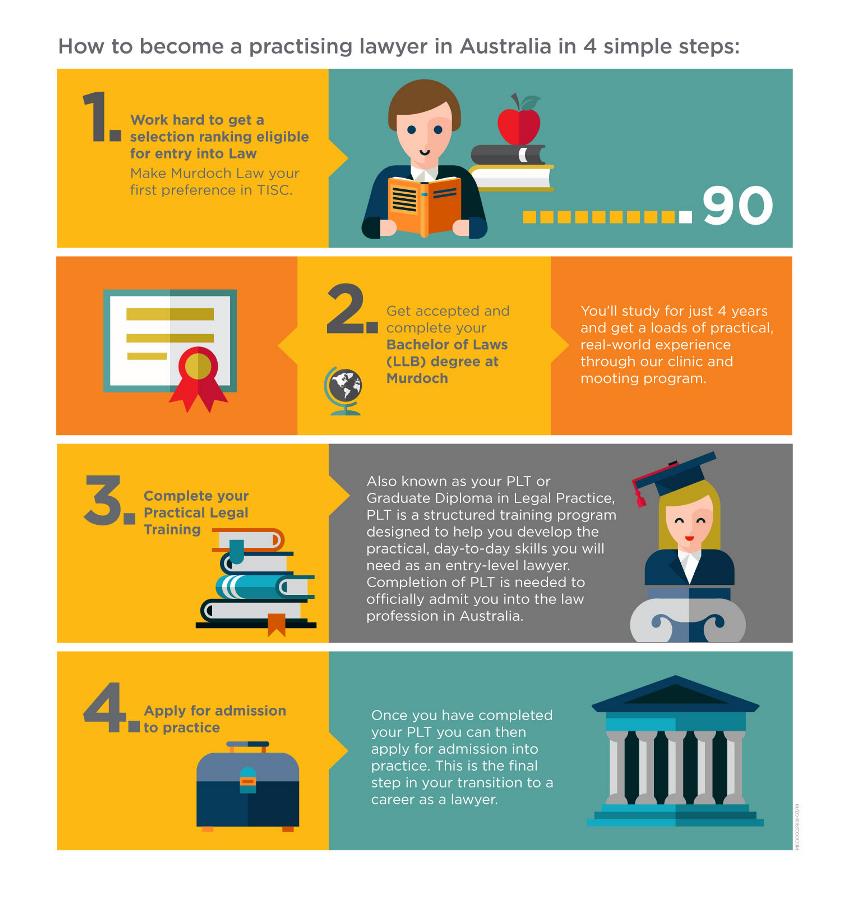

That Obtains What? A Family Members Legislation Attorney'S Manual On Residential Property Division
When facing a divorce, identifying that gets what can feel overwhelming. Recognizing the distinction between marital and separate property is simply the begin. You'll additionally need to think about different factors that can affect the division of properties. With the best guidance, you can browse these complexities and protect your rate of interests. But where do you begin? Let's discover the crucial elements that will certainly shape your home department process.
Understanding Marriage vs. Different Residential Or Commercial Property
When browsing property department in a divorce, it's important to recognize the distinctions in between marriage and different residential property.
Marital property consists of assets and financial obligations acquired throughout the marriage, regardless of whose name gets on the title. This can incorporate homes, automobiles, and shared bank accounts.
On the other hand, separate property contains properties you had before the marriage or gotten as presents or inheritances particularly indicated for you.
It's critical to identify which properties fall under each classification, as this distinction can substantially affect the department process. Understanding these differences can aid you shield your passions and make sure a reasonable outcome.
Constantly consult a legal expert to guide you via these intricacies.
Factors Affecting Equitable Circulation
Identifying marriage and different property establishes the stage for recognizing how possessions will certainly be divided throughout a separation. Several variables influence fair circulation, beginning with the length of your marriage.
Longer marriages often lead to an extra equal split of assets. The payments each partner made, both monetarily and non-financially, also play a substantial function. Courts consider the economic situations of each party, consisting of age, health and wellness, and gaining prospective.
Additionally, the presence of kids may impact decisions concerning family members homes or assistance obligations. Lastly, any type of misconduct, like extramarital relations, can persuade the court's judgment.
Steps to Protect Your Rate Of Interests During Home Department
Protecting your interests during residential property department is vital, especially in the emotional landscape of a divorce. Beginning by collecting all economic files, including bank statements, tax returns, and property deeds. This info assists clarify your possessions and obligations.
Next, take into consideration employing a well-informed lawyer that can advocate for your civil liberties and guarantee you comprehend your choices. Don't forget to examine the worth of common building precisely; getting a professional assessment can make a distinction.
Communicate honestly with your spouse about your requirements and worries, as this can result in more friendly arrangements.
Finally, remain organized and maintain records of all communications connected to building division, guaranteeing you have every little thing documented for future recommendation.
Conclusion
Divorce is tough, but comprehending building division can make it much easier. By understanding the distinction in between marital and different home and considering key aspects, you can navigate this procedure more effectively. https://www.justice.gov/opa/speech/attorney-general-merrick-b-garland-delivers-remarks-first-anniversary-attack-capitol be reluctant to look for aid from a family members legislation lawyer to secure your interests and discuss a reasonable outcome. Keep in mind, you're not the only one in this; with the appropriate support, you can achieve a resolution that lines up with your future goals.

